Yayuhong Knitwear: A Technical Guide to Knitwear Manufacturing
Introduction to Yayuhong Knitwear
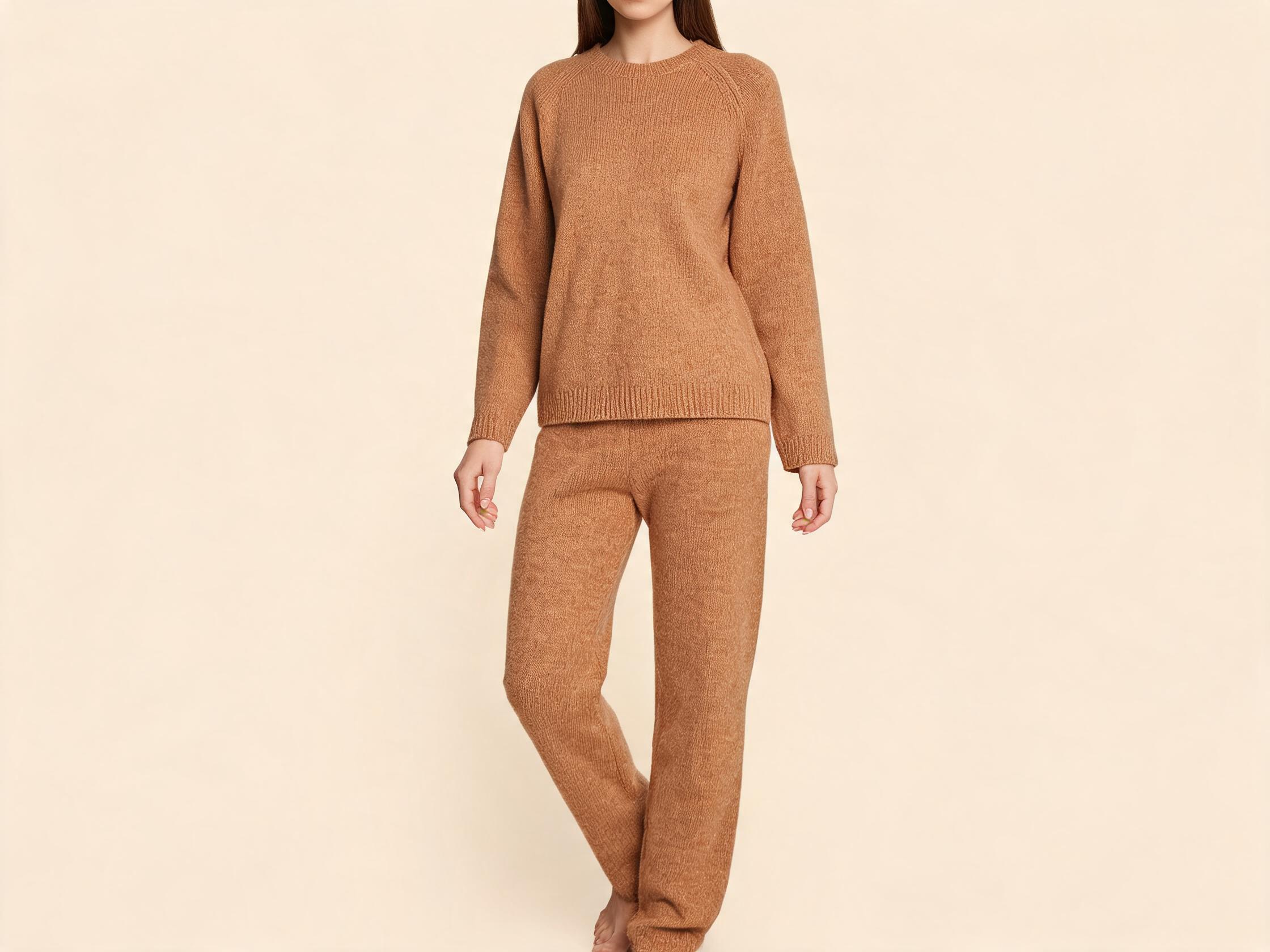
Yayuhong Knitwear, operated by Xiuyu Knitwear (澄海雅育鸿针织厂), is a knitwear OEM/ODM manufacturer based in Chenghai, China. With 20 years of experience, we produce sweaters, loungewear, kidswear, pet apparel, and accessories for overseas B2B buyers. Our factory-direct approach emphasizes customization, low minimum order quantities (50 pcs), and a daily capacity of 30,000 pieces, with a standard 7-day delivery for repeat orders. This article delves into the technical details of knitwear manufacturing, covering materials, processes, quality control, and industry standards.
Material Selection for Knitwear
The foundation of quality knitwear lies in the selection of fibers and yarns. Common materials include cotton, wool, cashmere, acrylic, polyester, and blends. Each fiber type offers distinct properties: cotton provides breathability and softness; wool offers warmth and elasticity; cashmere is luxurious and lightweight; acrylic is durable and colorfast; polyester adds strength and wrinkle resistance. At Yayuhong Knitwear, we source yarns from trusted suppliers and consider factors such as fiber length, fineness, and twist to ensure consistent knitting performance and final fabric characteristics. For blends, we carefully balance ratios to achieve desired hand feel, durability, and cost efficiency.
Yarn Specifications
Yarn count, typically expressed in Ne (English cotton count) or Nm (metric count), determines the thickness of the yarn and affects the gauge of the knitting machine. Finer yarns (higher count) produce lighter, more delicate fabrics, while coarser yarns yield heavier, warmer knits. We also consider yarn twist: higher twist increases strength and reduces pilling, while lower twist enhances softness. Moisture content and elongation are monitored to prevent breakage during knitting.
Knitting Processes
Knitwear manufacturing involves several key processes: yarn preparation, knitting, linking, washing, and finishing. The choice of knitting technology—flat knitting, circular knitting, or warp knitting—depends on the product design and desired fabric structure.
Flat Knitting
Flat knitting machines are widely used for sweaters and cardigans, producing shaped panels that are later linked together. We use computerized flat knitting machines with up to 14 gauge (needles per inch), enabling intricate stitch patterns, intarsia, and jacquard designs. The machine gauge must match the yarn count: finer gauges (e.g., 12–14 gg) for lightweight fabrics, coarser gauges (e.g., 3–7 gg) for chunky knits.
Circular Knitting
Circular knitting produces tubular fabrics, often used for loungewear and accessories. This method is efficient for seamless garments and reduces cutting waste. We employ circular knitting machines with various diameters and gauges to accommodate different product sizes and yarn types.
Linking and Seaming
For flat-knitted panels, linking is a critical step where panels are joined using a linking machine. The linking process must align stitches precisely to ensure seam strength and comfort. We use automated linking machines and skilled operators to maintain consistency.
Washing and Finishing
After knitting and linking, garments undergo washing to remove impurities, relax the fabric, and achieve the desired hand feel. Washing parameters—temperature, duration, and detergent—are carefully controlled to prevent shrinkage or damage. Finishing may include pressing, steaming, and the addition of labels, buttons, and other trims.
Quality Control in Knitwear Production
Quality control (QC) is integrated at every stage of production to identify and address defects early. Our QC procedures include:
- Incoming Material Inspection: Yarn cones are checked for count, twist, color consistency, and moisture content.
- In-Process Inspection: Knitted panels are examined for stitch defects, holes, and yarn contamination. Machine settings are verified regularly.
- Final Inspection: Finished garments are inspected for measurements, seam quality, colorfastness, and appearance. We follow AQL (Acceptable Quality Limit) sampling plans based on buyer requirements.
We maintain detailed records of inspections and corrective actions. While we do not offer quality guarantees, our systematic approach aims to minimize defects and ensure consistency.
Industry Standards and Certifications
Knitwear manufacturing is subject to various industry standards, including those related to fiber content labeling, care instructions, and safety. We are familiar with common standards such as ISO 9001 (quality management), OEKO-TEX Standard 100 (harmful substances), and GOTS (organic textiles) upon request. Our team stays updated on regulations in target markets (e.g., US CPSIA, EU REACH) to support compliance. We can provide necessary documentation and facilitate testing through third-party labs.
Customization and OEM/ODM Services
Yayuhong Knitwear offers full OEM/ODM services, from design to delivery. Our in-house design team can develop patterns, select yarns, and create samples. We support custom labels, hangtags, and packaging. With a low MOQ of 50 pcs per style/color, we cater to emerging brands and small-batch orders. Our production capacity of 30,000 pcs/day and 7-day delivery for repeat orders ensure timely fulfillment.
Conclusion
Knitwear manufacturing is a complex process requiring expertise in materials, machinery, and quality control. Yayuhong Knitwear combines 20 years of experience with modern equipment and a commitment to transparency. Whether you need sweaters, loungewear, or pet apparel, our team is ready to support your brand with reliable OEM/ODM services. Contact us to discuss your next project.
Tags